
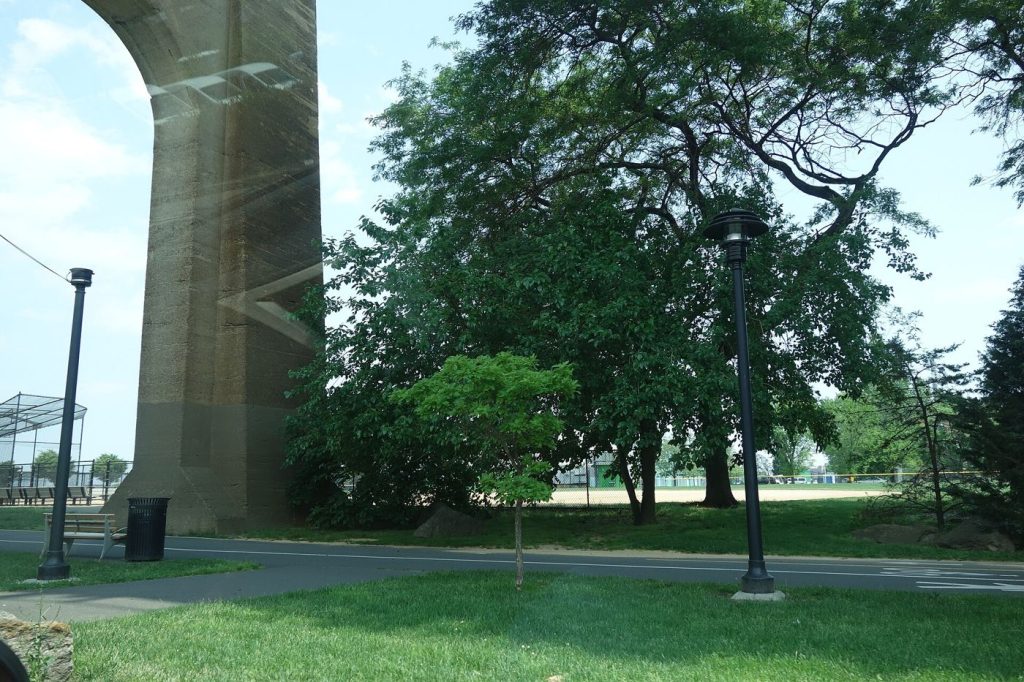
The pathways that carry joggers, dog walkers and commuters through city parks are also becoming research routes, as volunteers and ecologists survey the wildlife that lives alongside them. On scheduled walks, participants record birds heard, insects seen and signs of mammals along fixed stretches of path, building a picture of how species use green space through the seasons. Scientists say repeated counts along the same route are more valuable than one off sightings, because they reveal change over time. Parks are important refuges in built up areas, and understanding which corners are busiest with wildlife helps managers protect them. No experience is needed to join a survey walk, since identification guides and recording sheets are provided, and beginners are paired with more confident recorders for their first outings.
What the Evidence Shows
Early survey work often highlights the value of untidy edges, old trees and varied planting, where food and shelter are available in different months. Managers can use the findings to time mowing, plan new planting and decide where paths or lighting might disturb sensitive habitats. Researchers are careful to train volunteers in consistent recording, so differences between walks reflect the wildlife rather than the observers. The surveys also give residents a closer relationship with their local park, and many participants report noticing species they had walked past for years. Over time, the records will help show how city wildlife responds to hotter summers, changing rainfall and new development around park boundaries. Findings will be published openly so community groups can use them too. Reporting and analysis from sources such as Nature track the same developments, and specialists following park wildlife pathway surveys say the direction is now consistent across independent lines of evidence.
The Wider Context
The wider context is a research landscape in which replication and open data now decide reputations. Findings connected to park wildlife pathway surveys are being checked by independent groups with shared datasets, and the teams involved publish their methods in full so rivals can test every step. That discipline is slower than a headline cycle, but it is why results in this area increasingly survive first contact with scrutiny.
What Happens Next
What happens next in the story of park wildlife pathway surveys will be decided by follow-up work already under way: larger samples, longer observation and instruments that have not yet come online. The researchers involved are unusually united on one point, that the current results justify the next investment of time and money. Readers will not have to wait long for the first tests of that claim. You can follow related developments in our coverage of science.
None of this will be settled by a single announcement, study or product launch. The pattern to watch is accumulation: independent confirmations, honest reporting of failures and steady improvement in the underlying numbers. Readers who follow those signals, rather than the loudest claim of the week, will understand this subject better than most of the commentary surrounding it suggests is possible.
