
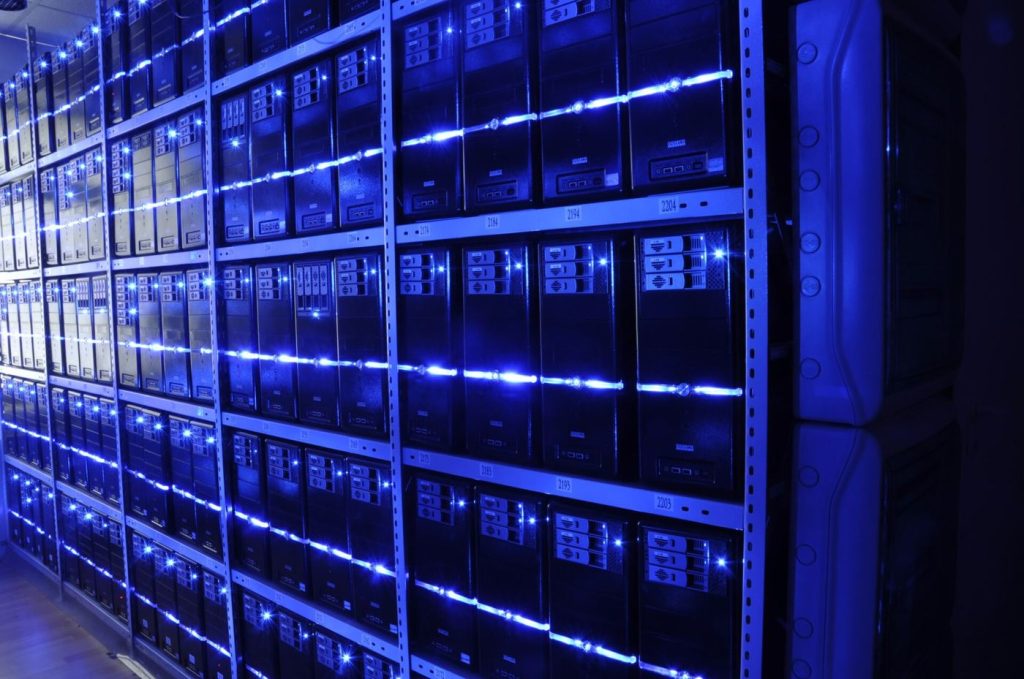
Behind many major scientific advances sits a room full of servers that few members of the public will ever see. Research data centres provide the computing power for weather forecasting, protein modelling, astronomy surveys and climate simulations that would take a single laboratory computer far too long to complete. Engineers keep these machines running around the clock, scheduling large jobs so that shared national facilities serve many research groups fairly. The work blends computer science with the natural sciences, because understanding what a simulation needs helps engineers store its data efficiently and spot errors before months of valuable computing time are wasted on a flawed run. Universities increasingly share these facilities regionally, pooling funding for machines that no single institution could justify buying or maintaining entirely on its own budget.
What the Evidence Shows
Scientific computing places unusual demands on a facility, with some jobs running for days across hundreds of processors while others need fast access to enormous archived datasets. Specialists work with researchers to rewrite software so it uses the hardware well, reducing both waiting times and energy consumption. When results emerge, the same infrastructure helps teams share data openly with collaborators on other continents, supporting independent checks of important findings. As datasets from telescopes, satellites and gene sequencing continue to grow, planners say the partnership between laboratory scientists and data centre engineers will only deepen, shaping how quickly new discoveries can be tested and confirmed. Training is part of the mission too, with workshops teaching researchers in every discipline how to write efficient code and manage their data responsibly from the start. Reporting and analysis from sources such as National Science Foundation track the same developments, and specialists following computing power behind scientific research say the direction is now consistent across independent lines of evidence.
The Wider Context
The wider context is a research landscape in which replication and open data now decide reputations. Findings connected to computing power behind scientific research are being checked by independent groups with shared datasets, and the teams involved publish their methods in full so rivals can test every step. That discipline is slower than a headline cycle, but it is why results in this area increasingly survive first contact with scrutiny.
What Happens Next
What happens next in the story of computing power behind scientific research will be decided by follow-up work already under way: larger samples, longer observation and instruments that have not yet come online. The researchers involved are unusually united on one point, that the current results justify the next investment of time and money. Readers will not have to wait long for the first tests of that claim. You can follow related developments in our coverage of science.
There is a practical lesson in all of this for readers deciding what to do today. Start with the verified facts, be wary of anyone promising certainty, and prefer reversible steps while the evidence is still developing. Circumstances differ by country, income and personal situation, so general guidance should always be weighed against your own context before you act on it in any significant or lasting way.
