
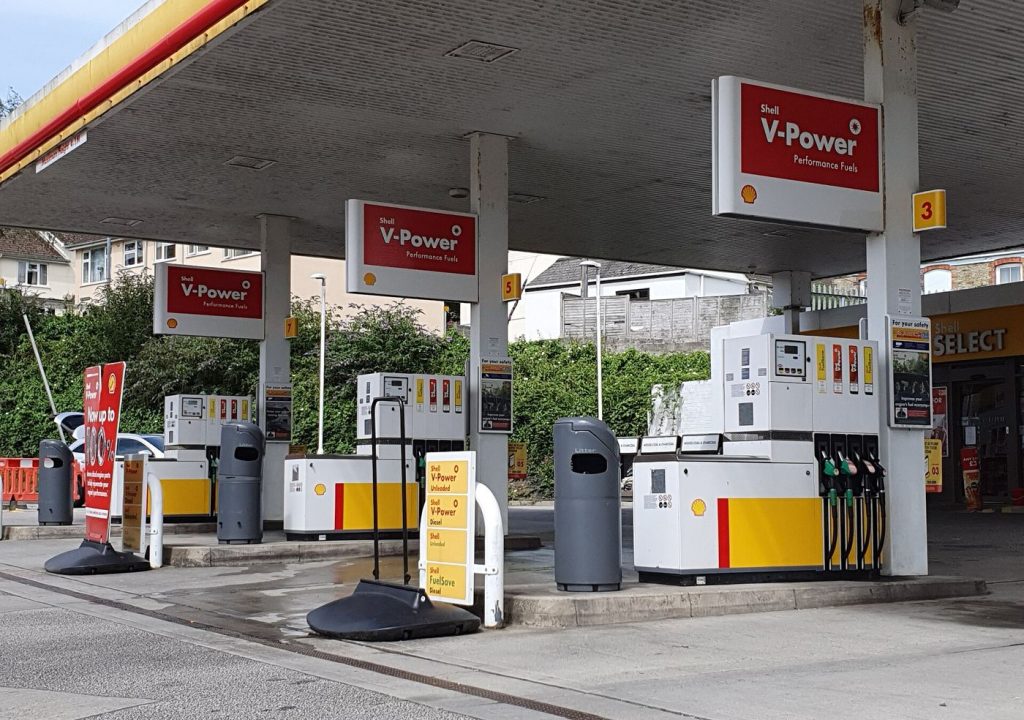
UK inflation rose to a 12-month high in October 2026, driven by fuel prices that reached record levels. The Office for National Statistics reported on 18 November that the Consumer Prices Index rose by 3.6 percent in the 12 months to October, up from 3.5 percent in September, the fourth consecutive monthly rise. Diesel prices rose by 7 pence a litre in the month to an average of 199.5 pence, the highest since records began in 1996, while petrol rose by 5.2 pence to 174.4 pence a litre, its highest since August 2022. Transport inflation reached 7.5 percent, and motor fuel prices were 33.2 percent higher than a year earlier, as tensions in the Middle East pushed oil prices higher. The Ofgem energy price cap also rose by 4 percent in October. Food inflation, by contrast, slowed to 0.8 percent, its lowest level in more than five years, while services inflation held at 3.7 percent and core inflation at 2.8 percent.
What the Evidence Shows
The figures put pressure on the Bank of England, which watches services inflation and wage growth closely when setting interest rates. Regular earnings growth eased to 3.5 percent in the three months to September, with private sector pay growth unchanged at 3.1 percent, suggesting wage pressures are cooling even as fuel costs climb. For households, the pain is concentrated at the pump and in energy bills, while cheaper food, including a fall in chocolate prices, has offered some relief. Tobacco prices also jumped after a duty rise added about 1.21 pounds to an average pack of 20 cigarettes. Economists at the National Institute of Economic and Social Research said the October rise was the fourth in a row and unlikely to be the last. Whether inflation falls back in 2027 will depend largely on oil prices and on whether the Middle East tensions ease. Reporting and analysis from sources such as International Monetary Fund track the same developments, and specialists following the October inflation figures say the direction is now consistent across independent lines of evidence.
The Wider Context
The wider context is a financial system repricing risk after a long era of cheap money. Decisions shaped by the October inflation figures are being made under closer supervisory attention, with stress tests and disclosure rules that assume conditions can worsen quickly. Institutions that planned for the benign case are adjusting in public, which is uncomfortable and healthy in equal measure.
What Happens Next
What happens next with the October inflation figures will be visible first in the data that professionals watch weekly: flows, spreads and the terms on new deals. Participants who spoke for this article expect a period of adjustment rather than drama, with the biggest effects landing on those who assumed the old conditions were permanent. Planning, as ever, is the cheapest hedge. You can follow related developments in our coverage of finance.
There is a practical lesson in all of this for readers deciding what to do today. Start with the verified facts, be wary of anyone promising certainty, and prefer reversible steps while the evidence is still developing. Circumstances differ by country, income and personal situation, so general guidance should always be weighed against your own context before you act on it in any significant or lasting way.
